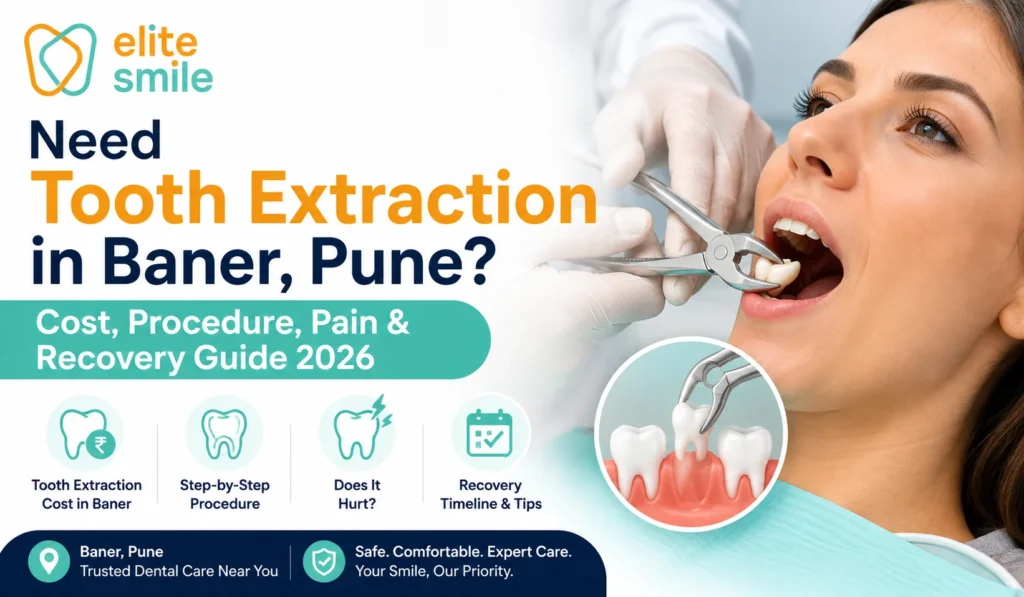
So, Do You Actually Need This Extraction?
A tooth extraction isn’t usually the first choice when a natural tooth can be predictably saved. A dentist will generally examine the tooth, assess the surrounding gums and bone, and use dental X-rays when needed before deciding whether removal is appropriate. In some cases, treatments such as a filling, crown, or root canal may offer a way to preserve the tooth.The Tooth Is Too Decayed to Fix
When extensive decay has destroyed too much of the tooth structure, a filling or crown may no longer provide a predictable long-term solution. Your dentist will assess how much healthy tooth remains before recommending removal.There’s an Infection or Abscess
A badly infected tooth may sometimes be treated with root canal therapy. However, if the tooth cannot be predictably restored or the infection is associated with a tooth that has a poor prognosis, extraction may be considered.The Tooth Is Broken Below the Gumline
A tooth fractured below the gumline can be difficult or impossible to restore, particularly when there isn’t enough healthy tooth structure available to support a crown. Depending on the location and extent of the fracture, removal may be recommended.A Wisdom Tooth Is Impacted
Impacted wisdom teeth are a common reason for removal. A wisdom tooth may grow sideways, remain partly trapped under the gum, or press against the neighbouring molar. Repeated pain, infection, gum problems or damage to nearby teeth can be reasons for a dentist to recommend extraction.You Need Room Before Orthodontic Treatment
In selected orthodontic cases, a dentist or orthodontist may recommend removing a premolar to create sufficient space for tooth alignment. This isn’t necessary for everyone and should be based on an individual orthodontic assessment.Gum Disease Has Loosened the Tooth
Advanced gum disease can destroy the bone and tissues that support a tooth. If a tooth has become severely loose and cannot be predictably stabilized or treated, extraction may be considered. The important point: needing an extraction isn’t something you should decide from pain alone. A proper dental examination and, when appropriate, X-ray help determine whether the tooth should be removed or whether there’s a reasonable way to save it.Simple vs. Surgical Extraction — Know the Difference Before You Panic
Not every tooth extraction follows the same approach. The method your dentist chooses depends on whether the tooth is fully visible, damaged, partially erupted or impacted. Understanding the difference can make the procedure feel much less intimidating.
Simple Tooth Extraction
A simple extraction is generally used when the tooth is fully visible above the gumline and can be accessed normally. After the area is numbed with local anaesthesia, the dentist gently loosens the tooth and removes it. The procedure is often relatively quick, although the exact time depends on the tooth and its condition.
You may feel pressure, movement or pushing during the procedure, but you should not feel sharp pain while the area is properly anaesthetized.
Surgical Tooth Extraction
A surgical extraction may be needed when a tooth is broken near or below the gumline, hasn’t fully erupted, or is difficult to access. The dentist may need to make a small opening in the gum and, in some cases, remove a small amount of surrounding bone or divide the tooth into sections before taking it out.
That may sound more complicated, but local anaesthesia is used to keep you comfortable during the procedure. You may notice pressure or vibration rather than the sharp sensation people often fear.
Wisdom Tooth Extraction
Wisdom teeth are a little different because they can develop in many positions. A wisdom tooth may be fully erupted and straightforward to remove, partially trapped beneath the gum, or completely impacted and angled toward the neighbouring tooth.
Your dentist may recommend a clinical examination and dental imaging to understand the tooth’s position before deciding on the extraction approach. Wisdom tooth extraction in Baner, Pune can therefore vary considerably in complexity, procedure time and cost.
Bottom line: A simple extraction doesn’t automatically mean every tooth can be removed the same way, and surgical extraction doesn’t necessarily mean you’ll experience more pain during the procedure. The right approach depends on the tooth’s position, condition and surrounding structures.
What Actually Happens During a Tooth Extraction Procedure?
Knowing what happens step by step can take away a lot of the anxiety. While every extraction is slightly different, your dentist will generally follow a similar process based on the condition and position of the tooth.1. The Dental Examination
Your dentist first examines the tooth, surrounding gums and bite. They’ll look for signs of decay, infection, damage, looseness or other problems that could affect the extraction. The goal isn’t simply to remove the tooth — it’s to determine whether extraction is actually necessary and which approach is safest.2. The Dental X-Ray
An X-ray can show the tooth’s roots, surrounding bone and, particularly for wisdom teeth, the relationship between the roots and nearby anatomical structures. For complicated or impacted teeth, this information helps the dentist plan the extraction and anticipate potential difficulties. The type of imaging required depends on the individual case.3. Local Anaesthesia
Before the extraction begins, the dentist numbs the area with local anaesthesia. You should not feel sharp pain once the area is adequately numb. You may still notice pressure, pushing, movement or vibration, especially while the dentist loosens the tooth. That’s normal and doesn’t necessarily mean something is going wrong.4. The Extraction Itself
For a simple extraction, the dentist carefully loosens the tooth and removes it from its socket. For a surgical extraction, particularly when a tooth is impacted or broken below the gumline, the dentist may need to make a small opening in the gum, remove a small amount of surrounding bone, or divide the tooth into sections before removing it. The exact technique depends on the tooth’s position and condition.5. Stitches, If Needed
Not every extraction requires stitches. They are more commonly used when an incision has been made during a surgical extraction or when the dentist needs to help the gum tissue close properly. Depending on the type of stitch used, they may dissolve naturally or require removal at a follow-up appointment.6. Aftercare Instructions
Before you leave, your dentist will explain how to care for the extraction site. This may include biting gently on gauze, avoiding vigorous rinsing, choosing suitable foods and limiting strenuous activity initially. Most people can return to many normal activities fairly quickly, but recovery varies depending on the type and complexity of the extraction. Surgical and impacted wisdom-tooth extractions may require more recovery time than straightforward extractions.What People Usually Ask Before Tooth Extraction
How long does tooth extraction take? A straightforward extraction may be completed relatively quickly, while surgical or impacted teeth can take longer. The time depends on the tooth’s position and complexity. Will tooth extraction hurt? With effective local anaesthesia, you should not experience sharp pain during the procedure. Pressure and movement are common sensations. Do I need anaesthesia for tooth extraction? Local anaesthesia is commonly used for both simple and surgical extractions to keep the treatment area numb and comfortable. Will I need stitches? Not necessarily. Stitches are generally used when the extraction involves an incision or when the dentist determines they will help the site heal properly.What Does Tooth Extraction Actually Cost in Baner, Pune (2026)?
Let’s talk numbers, because cost is one of the first things people want to know before booking a dental appointment. The important thing to understand is that tooth extraction cost in Baner, Pune isn’t a single fixed amount. The final fee depends on the type of extraction and what your dentist finds during the examination.There’s No Single “Baner Price” — and Anyone Claiming Otherwise Is Oversimplifying
Several factors can affect the final cost:- Whether it’s a simple or surgical extraction
- Which tooth needs to be removed
- The position and condition of the tooth
- Whether a wisdom tooth is impacted
- Whether a dental X-ray or other imaging is required
- The complexity of the procedure
- Anaesthesia requirements
- Medicines prescribed after extraction
- Follow-up appointments, if required
- Whether a specialist or oral surgeon is needed
Simple Tooth Extraction
A simple extraction is generally the more straightforward and lower-complexity option. It’s usually performed when the tooth is fully visible and can be accessed without surgical intervention. Because it typically requires less surgical work and chair time than an impacted tooth, the cost is generally lower.Surgical Tooth Extraction
A surgical extraction is more involved and may be necessary when a tooth is broken, difficult to access, partially erupted or positioned below the gumline. The additional clinical work, equipment, time and aftercare can make surgical extraction more expensive than a straightforward extraction.Wisdom Tooth Extraction
The cost of wisdom tooth extraction in Baner can vary significantly. A fully erupted wisdom tooth that can be removed normally may be relatively straightforward, while a partially erupted or difficult-to-access tooth may require a surgical approach.Impacted Wisdom Tooth Extraction
An impacted wisdom tooth can be more complex to remove because the tooth may be trapped beneath the gum or bone, or positioned close to neighbouring structures. Depending on its position, the dentist may need to make an incision, remove a small amount of bone or divide the tooth into sections. Consequently, impacted wisdom tooth removal generally costs more than a simple extraction.A Reality Check on Tooth Extraction Pricing
Published Pune dental pricing illustrates why it’s difficult to give every patient one universal figure. Current online pricing for wisdom-tooth extraction varies according to extraction difficulty and impaction level, while patient discussions also highlight differences between clinics and individual cases. So rather than choosing a clinic based solely on the lowest advertised number, ask what the quoted price actually includes:- Consultation
- X-ray or imaging
- Anaesthesia
- Extraction procedure
- Medicines
- Stitches, if required
- Follow-up care
Is Tooth Extraction Actually Going to Hurt?
This is probably the biggest concern people have before an extraction. The good news is that modern dental anaesthesia makes the procedure much more comfortable than many people expect.During the Procedure
You should not feel sharp pain once the area is properly numbed with local anaesthesia. You may, however, notice pressure, pushing, pulling or movement as the dentist loosens and removes the tooth. If you feel sharp pain during the procedure, tell your dentist immediately. They can check the anaesthesia and provide additional numbing if needed.After the Numbness Wears Off
Some soreness, tenderness or mild swelling is normal once the anaesthesia wears off. It is often more noticeable after a surgical or impacted wisdom tooth extraction than after a straightforward extraction. Your dentist may recommend appropriate pain relief based on your individual circumstances. Following the prescribed instructions is important rather than taking medication on your own.How Can You Manage Discomfort After Extraction?
A few simple measures can make the recovery period more comfortable:- Follow your dentist’s medication instructions.
- Use a cold compress externally during the first day if recommended.
- Eat soft foods that are easy to chew.
- Avoid smoking or tobacco around the extraction period.
- Avoid vigorous rinsing or activities that could disturb the blood clot.
- Give yourself time to rest, particularly after a surgical extraction.
When Should Extraction Pain Worry You?
Pain should generally become easier to manage as healing progresses. Severe or worsening pain after a few days, particularly when accompanied by an unpleasant taste or smell from the extraction area, may require dental evaluation. One possible cause is dry socket, which can occur when the protective blood clot is lost or breaks down prematurely. It isn’t something you should try to diagnose yourself, though — if pain becomes significantly worse rather than gradually improving, contact your dentist for an examination. The takeaway: Tooth extraction is not necessarily a painful experience. With appropriate local anaesthesia, most of the sensation during treatment is pressure rather than sharp pain, while post-extraction discomfort can usually be managed with proper aftercare and guidance from your dentist.How Long Until You’re Actually Back to Normal?
Recovery after tooth extraction varies from person to person. A straightforward extraction may settle relatively quickly, while surgical or impacted wisdom tooth removal can involve more swelling and tenderness. Here’s a realistic idea of what recovery can look like.First 24 Hours
A small amount of bleeding, tenderness and swelling can be normal during the first day. Follow your dentist’s instructions about gauze and avoid disturbing the extraction site. For the first 24 hours, avoid vigorous rinsing, spitting, smoking and strenuous physical activity, as these can interfere with the blood clot that helps the socket heal.Days 2–3
Swelling and discomfort can sometimes be more noticeable during the first few days, particularly after a surgical extraction. After this initial period, symptoms should generally begin to settle. Continue following your dentist’s aftercare instructions and maintain good oral hygiene without directly disturbing the extraction site.First Week
Many people can return to most normal activities within several days after a straightforward extraction. Surgical and wisdom tooth extractions may take longer, depending on the complexity of the procedure and your individual healing response. Don’t worry if the gum doesn’t look completely healed after a week — surface healing and deeper healing happen at different rates.Full Healing
Even when you feel completely normal, the gum and underlying bone continue healing beneath the surface. Complete healing can take considerably longer than the initial period of soreness.What Can Help Your Recovery?
You can’t completely control how quickly your body heals, but you can avoid things that interfere with the process:- Keep your mouth clean according to your dentist’s instructions.
- Avoid smoking and tobacco during the recommended healing period.
- Avoid alcohol when advised by your dentist.
- Choose softer foods initially and gradually return to your normal diet.
- Avoid strenuous exercise for the period recommended after your extraction.
- Don’t repeatedly touch or disturb the extraction site.
- Attend your follow-up appointment if your dentist recommends one.
What Should You Eat After Tooth Extraction — and What Should You Avoid?
What you eat during the first few days can make recovery more comfortable and reduce the chance of irritating the extraction site. Choose foods that require minimal chewing and avoid anything that could disturb the healing area.Safe Foods After Tooth Extraction
For the first day or two, choose soft foods that are cool or lukewarm rather than very hot. Good options include:- Yoghurt
- Mashed potatoes
- Soft, well-cooked khichdi
- Soft scrambled eggs
- Oatmeal or porridge
- Lukewarm soups
- Soft rice or other easy-to-chew foods
- Smoothies eaten with a spoon rather than a straw
Foods to Avoid After Tooth Extraction
For the initial healing period, avoid foods that are hard, crunchy, sticky, spicy or very hot. These can irritate the extraction area or make chewing uncomfortable. It’s also sensible to avoid small foods that can become trapped around the socket, such as seeds and certain coarse grains. Avoid using a straw, particularly during the early healing period, because the suction can interfere with the blood clot protecting the extraction site.When Can You Eat Normally Again?
There isn’t one exact timeline for everyone. After a straightforward extraction, many people gradually return to their usual diet as tenderness decreases. More complex surgical or wisdom tooth extractions may require a longer period of softer foods. Rather than following a fixed number of days, let comfort and your dentist’s instructions guide your diet. Once chewing is comfortable and the extraction site is healing well, you can gradually reintroduce firmer foods. Tip: Don’t rush back to your normal diet just because the pain has improved. The gum may still be healing underneath, so protecting the extraction site during the early recovery period is important.The Don’ts — Protecting Your Recovery
- No smoking or tobacco — raises your dry socket risk considerably
- No alcohol — interferes with healing and medication
- No straws — the suction can dislodge the blood clot you actually need
- No vigorous rinsing or spitting — same reason
- No hard or crunchy foods — they can irritate the healing site
- No intense exercise right after — it raises blood pressure and can trigger bleeding
Wisdom Tooth Extraction in Baner — A Category of Its Own
If you’re dealing with a wisdom tooth specifically, there are a few extra things to consider. Wisdom teeth can erupt normally, remain partially covered by gum tissue, or become impacted because there isn’t enough space in the jaw.Why Do Wisdom Teeth Need to Be Removed?
Wisdom teeth don’t automatically need to be removed just because they’re wisdom teeth. If one has erupted normally, is healthy, easy to clean and isn’t causing problems, your dentist may simply monitor it. Removal may be considered when a wisdom tooth causes repeated infection, decay, gum problems, damage to a neighbouring tooth, pain or other complications. An examination and appropriate dental imaging can help determine whether removal is necessary.Signs You Might Have an Impacted Wisdom Tooth
An impacted wisdom tooth may cause symptoms such as:- Pain or tenderness at the back of the jaw
- Swelling around the gum
- Difficulty opening your mouth
- Food repeatedly getting trapped around the tooth
- Bad taste or unpleasant breath
- Repeated gum infection around the wisdom tooth
- Discomfort affecting the neighbouring molar
Simple or Surgical Wisdom Tooth Extraction?
A wisdom tooth that has erupted fully and can be accessed easily may sometimes be removed using a simple extraction technique. If the tooth is partially erupted, trapped beneath the gum, angled, broken or impacted, a surgical extraction may be necessary. The dentist may need to make a small gum incision, remove a limited amount of bone or divide the tooth into sections. The decision is based on the tooth’s position and surrounding anatomy rather than simply its name as a wisdom tooth.What Does Wisdom Tooth Extraction Cost?
The cost of wisdom tooth extraction in Baner can vary substantially depending on the complexity of the case. Factors that can affect the estimate include:- Whether the tooth is erupted or impacted
- The direction and depth of impaction
- Root shape and position
- Whether surgical access is required
- Dental imaging requirements
- Anaesthesia
- Medication and follow-up care
How Long Does Wisdom Tooth Extraction Take to Recover?
Recovery depends on how difficult the extraction is and how your body heals. A straightforward wisdom tooth removal may settle relatively quickly, while an impacted surgical extraction can cause more swelling and tenderness during the first several days. You may feel functional sooner than the extraction site is completely healed. Follow your dentist’s specific aftercare instructions, particularly if stitches were placed.When Should You Stop Waiting and See a Dentist?
Don’t keep ignoring recurring symptoms around a wisdom tooth. Arrange a dental evaluation if you experience repeated pain, swelling, gum infection, difficulty opening your mouth or discomfort around the back molars. A dentist can examine the area and recommend appropriate imaging if needed. Not every impacted wisdom tooth requires immediate removal, but determining whether it is likely to cause problems is much safer than trying to predict it from symptoms alone.Extraction vs. Root Canal — Which One’s Right?
This is worth asking your dentist point-blank, because extraction isn’t automatically the “easier” path — it’s just necessary in certain situations.| Situation | Likely Path |
|---|---|
| Tooth can still be restored | Root canal, usually |
| Tooth severely damaged below the gumline | Extraction |
| Impacted wisdom tooth | Extraction |
| Advanced infection | Depends on restorability |
| Broken tooth or root | Depends on remaining structure |
How to Actually Pick the Right Dentist for Tooth Extraction in Baner
Choosing a dentist is not just about star ratings or low fees. For tooth removal, you need a dentist who can explain the need, cost and care.Check Their Skills
Make sure the dentist is trained and licensed. For hard cases, ask about their skill in surgical and wisdom tooth removal.Ask About Their Experience
Simple tooth removal is common. Impacted wisdom teeth can be harder. Ask how often they treat such cases.Ask About X-Rays
An X-ray helps the dentist see the tooth roots and nearby areas. It can help plan a safe extraction.Ask for the Full Cost
Ask what the fee covers:- Check-up
- X-ray
- Anaesthesia
- Tooth removal
- Medicines
- Stitches
- Follow-up
Ask About Pain Care
Ask how the area will be made numb and what care you need after the tooth is removed.Check Clinic Hygiene
The clinic should use clean tools and safe sterilization steps.Read Real Reviews
Look for reviews about tooth removal or wisdom tooth care. These can tell you more than a simple “great clinic” review.Ask About Aftercare
Know who to call if you have more pain, swelling or bleeding after the procedure.Considering Elite Smile Dental Clinic?
If you are looking at Elite Smile Dental Clinic in Baner, compare it with other clinics on the same points: dentist skill, X-rays, cost, hygiene, reviews and aftercare. The best choice is a clinic that clearly explains your treatment and answers your questions.Meet Dr. Krunali Talekar — Trusted Dentist in Baner
If you’re trusting someone with an extraction, it helps to know who’s actually holding the instruments. Dr. Krunali Talekar (BDS) is a compassionate, experienced dental professional dedicated to comfortable, personalized, high-quality care at Elite Smile Dental Clinic in Baner. She believes in building trust through honest guidance, gentle treatment, and a patient-first approach — which matters a lot more than it sounds like when you’re the one nervous in the chair. Dr. Krunali focuses on creating healthy, confident smiles using modern dental techniques and advanced technology. Her attention to detail, commitment to hygiene, and genuinely caring nature help patients feel relaxed from the first consultation through the last follow-up. At a glance:| 1500+ | Happy Patients |
| 300+ | Smiles Created |
| 5+ | Years of Experience |
| 100% | Care & Commitment |
Quick Comparison Table
| Extraction Type | Typical Situation | Complexity | Recovery |
|---|---|---|---|
| Simple extraction | Fully visible tooth | Lower | A few days |
| Surgical extraction | Broken or complex tooth | Moderate–High | About a week |
| Wisdom tooth extraction | Impacted third molar | Variable | Depends on impaction grade |
When to Stop Waiting and Call Someone Immediately
Most extractions heal without a hitch — but get in touch with your dentist right away if you notice:- Severe or worsening pain
- Facial swelling that’s increasing, not settling
- Fever
- Pus or a persistent bad taste
- Trouble opening your mouth
- Trouble swallowing
- Bleeding that won’t stop
- Pain that’s worse on day 2–3 than it was on day 1
Tooth Extraction in Baner: What You Should Know
Tooth extraction can sound scary, but most extractions are routine dental procedures. Once the problem tooth is treated, many patients feel relieved and can get back to normal life.Quick Recap
- Extraction may be needed when a tooth is badly decayed, damaged, infected or impacted.
- A simple extraction is usually more straightforward, while surgical and wisdom tooth removal may need more planning.
- The cost of tooth extraction in Baner depends on the tooth and treatment needed. Get a clear quote after an examination and X-ray when advised.
- Local anaesthesia helps prevent sharp pain during the procedure. Some soreness or swelling afterward is normal.
- A good dentist should first check if the tooth can be saved before recommending removal.
- Proper aftercare can help protect the extraction site and support healing.
- If you have severe pain, swelling, fever, infection or a troublesome wisdom tooth, don’t delay a dental check-up.
- If you’re looking for tooth extraction in Baner, Pune, choose a dental clinic that clearly explains your treatment, cost, recovery and aftercare.
Frequently Asked Questions About Tooth Extraction in Baner, Pune
How Much Does Tooth Extraction Cost in Baner, Pune?
There is no fixed tooth extraction cost in Baner, Pune because every tooth is different. A simple extraction usually costs less than a surgical or impacted wisdom tooth removal. The final fee may depend on:- Type of extraction
- Tooth location
- Wisdom tooth impaction
- Dental X-ray or imaging
- Anaesthesia
- Medicines
- Stitches
- Follow-up visits
- Need for specialist care
How Much Does Wisdom Tooth Extraction Cost in Baner?
The cost of wisdom tooth removal in Baner depends mainly on how the tooth has grown. A fully erupted wisdom tooth may be easier to remove. An impacted wisdom tooth may need surgical removal, which can cost more. Your dentist may check:- Tooth angle
- Root shape
- Depth of impaction
- Nearby teeth
- Surrounding bone
- Need for surgical access
How Much Does Tooth Removal Cost in Pune?
Tooth removal costs in Pune vary by clinic and treatment type. A basic extraction, surgical extraction and impacted wisdom tooth removal can all have different fees. Before booking, ask whether the quoted price includes:- Consultation
- X-ray
- Anaesthesia
- Extraction
- Medicines
- Stitches
- Follow-up care
Is Tooth Extraction Painful?
Most patients do not feel sharp pain during the extraction because the dentist uses local anaesthesia to numb the area. You may feel:- Pressure
- Pulling
- Pushing
- Movement
- Mild vibration
Is Painless Tooth Extraction Possible?
With proper local anaesthesia, the goal is to keep you comfortable during the procedure. You may still feel pressure or movement, but you should not normally feel sharp pain. Tell your dentist if you feel pain during treatment so the area can be checked and additional anaesthesia can be given if needed.How Long Does Tooth Extraction Take?
The time depends on the tooth and how difficult it is to remove.- Simple extraction: Often takes a short time.
- Surgical extraction: Can take longer due to extra steps.
- Impacted wisdom tooth: Time varies based on its position and roots.
How Many Days Does Tooth Extraction Take to Heal?
Recovery is different for each person. Many people feel much better within a few days, but the gum and bone continue to heal for longer. A general recovery pattern is:- First 24 hours: Mild bleeding, swelling and tenderness may occur.
- Days 2–3: Swelling may still be present.
- Around one week: Many people are back to normal daily activities.
- Following weeks: Deeper gum and bone healing continues.
What Is the Recovery Time After Tooth Extraction?
Simple tooth removal often has a shorter recovery than surgical extraction. Your recovery also depends on your health, the tooth’s condition and how well you follow aftercare instructions. To support healing:- Keep the area clean as advised.
- Eat soft foods at first.
- Avoid smoking and tobacco.
- Avoid hard or crunchy foods.
- Avoid strenuous activity for the time advised.
- Take medicines only as directed.
- Attend follow-up visits if recommended.
What Should I Eat After Tooth Extraction?
Choose soft foods that are easy to chew during the first few days. Good options include:- Yoghurt
- Soft khichdi
- Mashed vegetables
- Soft rice
- Porridge
- Lukewarm soup
- Soft eggs
- Smooth foods eaten without a straw
What Should I Avoid After Tooth Extraction?
During early healing, avoid anything that may disturb the blood clot or irritate the extraction site. Avoid:- Smoking
- Tobacco
- Alcohol when advised against
- Drinking through a straw
- Hard and crunchy foods
- Very hot foods
- Vigorous rinsing
- Heavy exercise soon after extraction
- Touching the socket with your fingers or tongue
How Long Does Wisdom Tooth Removal Take to Heal?
A simple wisdom tooth extraction may settle fairly quickly. An impacted wisdom tooth that needs surgical removal can cause more swelling and tenderness. You may feel comfortable before the extraction site is fully healed. Follow your dentist’s advice about food, cleaning, exercise and follow-up care.What Are the Signs of an Impacted Wisdom Tooth?
An impacted wisdom tooth may cause:- Pain at the back of the jaw
- Swelling near the gum
- Difficulty opening your mouth
- Food getting trapped
- Bad taste or bad breath
- Repeated gum infection
- Pain near the neighbouring molar
Do I Need an X-Ray Before Tooth Extraction?
Dental imaging is often useful before an extraction, especially for wisdom teeth and complex cases. An X-ray can help the dentist see:- Tooth position
- Root shape
- Surrounding bone
- Nearby teeth
- Important structures near the tooth
What Is the Difference Between Simple and Surgical Tooth Extraction?
A simple extraction is usually done when the tooth is fully visible and easy to access. A surgical extraction may be needed when the tooth:- Is impacted
- Is broken below the gum
- Has not fully erupted
- Is difficult to access
- Requires an incision or other surgical steps
Can an Infected Tooth Be Removed?
Yes, an infected tooth may sometimes need to be removed if it cannot be saved or restored properly. However, extraction is not always the first choice. Depending on the tooth, your dentist may consider:- Root canal treatment
- Filling
- Crown
- Other restorative treatment
- Extraction
Can a Badly Decayed Tooth Be Saved or Does It Need Extraction?
It depends on how much healthy tooth structure remains. A badly decayed tooth may sometimes be restored with root canal treatment and a crown. If there is not enough healthy structure to support treatment, extraction may be recommended. Ask your dentist:- Can my tooth be saved?
- What treatment options do I have?
- What is the long-term outlook?
- What happens if I choose extraction?
Root Canal vs Tooth Extraction — Which Is Better?
Neither option is automatically better for everyone. A root canal may be preferred when the tooth can be saved and restored. Extraction may be considered when the tooth is too damaged or has a poor long-term outlook. If your tooth is restorable, ask whether saving the natural tooth is possible before deciding on removal.Can I Go to Work After Tooth Extraction?
Many people can return to work the next day after a simple extraction if they feel comfortable. You may need more rest after surgical or wisdom tooth removal, especially if you have swelling or soreness. If your job involves heavy physical work, ask your dentist when you can safely return.When Can I Eat Normally After Tooth Removal?
You can usually start with soft foods and slowly return to your normal diet as the area becomes less tender. Do not rush it. If chewing still causes pain around the extraction site, continue with softer foods and follow your dentist’s advice.What Causes Pain After Tooth Extraction?
Some soreness after extraction is normal as the gum begins to heal. Pain can be linked to:- Normal healing
- Swelling
- A more complex extraction
- Food or debris irritating the area
- Dry socket
- Infection
What Is Dry Socket After Tooth Extraction?
Dry socket can happen when the blood clot that protects the extraction site is lost or breaks down too early. Possible signs include:- Strong pain a few days after extraction
- Pain that may spread toward the ear or jaw
- Bad taste
- Bad breath
- An uncomfortable or empty-feeling socket
When Should I See a Dentist After Tooth Extraction?
Contact your dentist if you have:- Heavy or ongoing bleeding
- Severe or increasing pain
- Significant swelling
- Fever
- Pus or discharge
- Difficulty swallowing or breathing
- A bad taste with worsening pain
- Symptoms that are not improving
Where Can I Find a Dentist for Tooth Extraction Near Baner?
If you’re searching for a dentist for tooth extraction near Baner, look beyond price and star ratings. Check whether the clinic offers:- Qualified dental professionals
- Experience with simple and surgical extraction
- Proper dental imaging
- Clear treatment plans
- Transparent pricing
- Good hygiene and sterilization
- Genuine patient reviews
- Clear aftercare
- Follow-up support
Who Is the Best Dentist for Tooth Extraction in Baner?
There is no single dentist who is automatically the best for every patient. The right dentist depends on your tooth, treatment needs and the complexity of the case. When comparing dentists, look at:- Qualifications
- Experience with your type of extraction
- Patient reviews
- Diagnostic facilities
- Treatment explanation
- Hygiene standards
- Cost transparency
- Follow-up care
What Should I Ask My Dentist Before Tooth Extraction?
Before treatment, ask these simple questions:- Why does this tooth need to come out?
- Can the tooth be saved?
- Do I need a root canal instead?
- Is this a simple or surgical extraction?
- Do I need an X-ray?
- What is the total cost?
- Does the fee include medicines and follow-up?
- How long will the procedure take?
- What can I eat afterward?
- When can I return to work?
- What symptoms should make me call the clinic?
Quick Answer: What Should I Know Before Tooth Extraction in Baner?
Tooth extraction is a common dental procedure, but the right treatment, cost and recovery time depend on your individual tooth. Before booking an extraction:- Get a proper dental examination.
- Ask if the tooth can be saved.
- Get imaging when your dentist recommends it.
- Understand whether the extraction is simple or surgical.
- Ask for a complete cost estimate.
- Understand the recovery and aftercare.
- Choose a qualified dentist with relevant experience.
- Keep follow-up care in mind.