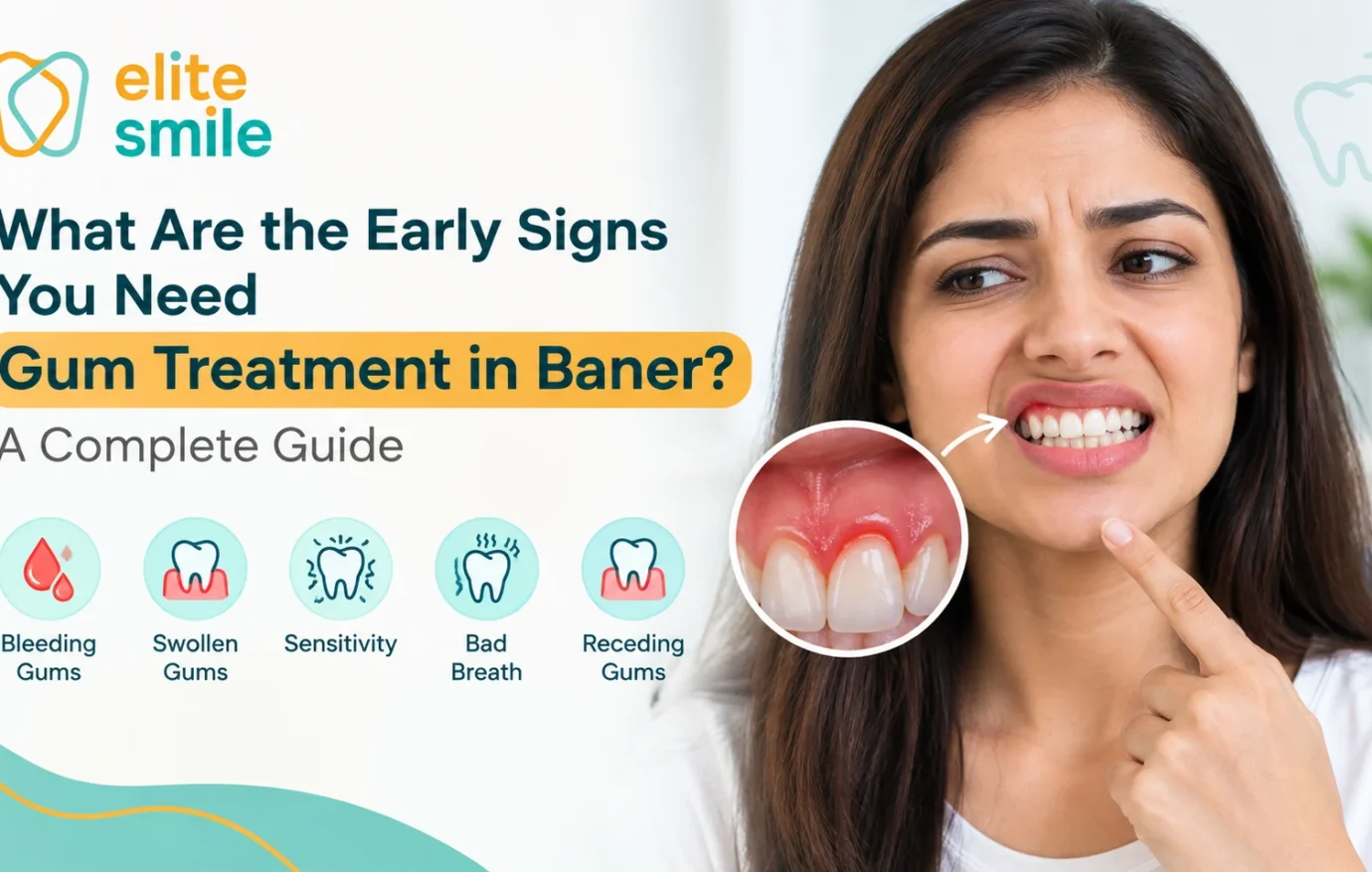
Have you noticed blood while brushing your teeth, swollen gums, persistent bad breath, or gums that seem to be pulling away from your teeth? These signs may look minor at first, but they can sometimes indicate an underlying gum problem that needs professional attention.
Gum disease is common, but it does not affect everyone in the same way. Some people may have early gum inflammation that improves with professional cleaning and better oral hygiene, while others may have deeper gum pockets or supporting tissue damage that requires periodontal treatment.
If you are looking for
gum disease treatment in Baner, understanding the causes, symptoms, diagnosis, and available treatment options can help you decide when it is time to see a dentist.
What Is Gum Disease?
Gum disease is a condition that affects the gums and the tissues supporting your teeth. It usually begins when plaque, a sticky layer of bacteria, builds up around the teeth and gumline.
If plaque is not removed properly, it can harden into tartar. Over time, this can irritate the gums and lead to inflammation.
The early stage is generally called
gingivitis. If the condition progresses and affects the deeper tissues supporting the teeth, it may develop into
periodontitis.
The good news is that identifying gum problems early can make management simpler. Regular dental examinations, professional cleaning, and appropriate home care can all play an important role in maintaining healthy gums.
What Causes Gum Disease?
Several factors can contribute to gum disease. Poor oral hygiene is one of the most common, but it is not the only factor.
Plaque and Tartar Buildup
Plaque contains bacteria that can irritate the gums. When it is not removed effectively, it can harden into tartar. Tartar cannot usually be removed completely with normal brushing and may require professional dental cleaning.
Inadequate Brushing and Flossing
Missing the gumline or not cleaning between teeth can allow plaque to remain in areas that are difficult to reach.
Smoking and Tobacco
Tobacco use can affect gum health and may increase the risk of periodontal problems. It can also make it harder for gums to heal properly.
Diabetes and Other Health Conditions
Some medical conditions can influence gum health. People with diabetes, for example, may have a higher risk of developing periodontal problems, particularly when blood sugar is not well controlled.
Hormonal Changes
Hormonal changes can make gums more sensitive and prone to inflammation during certain stages of life.
Crowded Teeth
Teeth that overlap or are difficult to clean may allow plaque to accumulate in areas that are harder to reach.
Other Risk Factors
Family history, certain medications, reduced saliva flow, stress, and inconsistent dental care may also contribute to gum problems.
What Are the Early Signs of Gum Disease?
Gum disease does not always cause significant pain in the beginning. That is why paying attention to smaller changes in your gums is important.
Common early signs include:
- Bleeding while brushing or flossing
- Red or swollen gums
- Tenderness around the gumline
- Persistent bad breath
- Bad taste in the mouth
- Increased tooth sensitivity
- Gums appearing lower around the teeth
- Plaque or tartar buildup
Is Bleeding While Brushing Normal?
Occasional bleeding should not automatically be ignored, especially when it happens repeatedly.
Bleeding can have several causes, including gum inflammation, brushing technique, plaque buildup, or other oral conditions. If it continues, a dental examination can help identify the underlying reason.
Signs of Advanced Gum Disease You Should Not Ignore
As gum disease progresses, symptoms can become more noticeable.
You may experience:
- Deep spaces between the gums and teeth
- Receding gums
- Pus around the gums
- Persistent swelling
- Loose or shifting teeth
- Changes in your bite
- Increasing tooth sensitivity
- Difficulty chewing
If you notice loose teeth or pus around the gums, do not delay a dental evaluation. Advanced gum problems may affect the tissues and bone that support your teeth.
Gingivitis vs Periodontitis: What Is the Difference?
Gingivitis and periodontitis are not the same condition.
| Feature |
Gingivitis |
Periodontitis |
| Gum inflammation |
Common |
Common |
| Bleeding |
May occur |
May occur |
| Gum recession |
Usually limited |
May become noticeable |
| Bone loss |
Generally absent |
May occur |
| Gum pockets |
Usually shallow |
Can become deeper |
| Treatment |
Professional cleaning and home care |
May require periodontal treatment |
Gingivitis is generally considered an earlier stage of gum disease. Without appropriate care, some cases can progress to more serious periodontal problems.
Here is the expanded version with
approximately 50 words for each point, keeping the tone natural, patient-friendly, and SEO-focused:
How Is Gum Disease Diagnosed?
Before recommending gum disease treatment, a dentist needs to understand the condition of your gums, teeth, and supporting tissues. Diagnosis is not based on one symptom alone. A dental examination helps identify the severity of gum problems and determine whether you may need routine cleaning, deep cleaning, or further periodontal treatment.
Gum Examination
During a gum examination, the dentist checks your gums for redness, swelling, tenderness, bleeding, recession, and other visible changes. They may also look for signs of infection or inflammation around individual teeth. This initial assessment helps identify possible gum disease and determines whether further periodontal evaluation or diagnostic tests are needed.
Measuring Gum Pockets
The dentist may measure the depth of the spaces between your gums and teeth using a periodontal probe. Healthy gums generally have shallow spaces, while deeper pockets can indicate periodontal problems. Recording these measurements helps the dentist understand the condition of your gums and monitor changes during future visits.
Checking Plaque and Tartar
Plaque and tartar buildup can contribute to gum inflammation and periodontal disease. During your examination, the dentist checks where these deposits have accumulated and how extensive they are. This information helps determine whether routine scaling may be sufficient or whether a deeper cleaning may be recommended based on your gum condition.
Checking Tooth Mobility
Loose or shifting teeth can sometimes indicate problems affecting the tissues and bone that support them. During the examination, the dentist may gently check whether individual teeth have unusual movement. Tooth mobility does not always mean advanced gum disease, so the dentist considers other findings before determining the underlying cause and appropriate treatment.
Dental X-Rays When Required
Dental X-rays may be recommended when the dentist needs to assess the bone supporting your teeth or investigate concerns that cannot be seen during a routine examination. X-rays can provide additional information about bone levels and other dental conditions. However, they are not automatically required for every gum problem.
Overall Gum Health Assessment
After examining your gums, teeth, plaque levels, gum pockets, and other relevant findings, the dentist can develop a clearer picture of your oral health. The recommended treatment depends on the severity and cause of the problem. Not every patient requires the same tests or treatment approach, which is why an individual evaluation is important.
What Is the Best Gum Disease Treatment in Baner?
There is no single treatment that is automatically right for every person with gum disease.
The appropriate approach depends on factors such as the severity of inflammation, tartar buildup, gum pocket depth, recession, bone involvement, and overall oral health.
Common treatment options may include professional cleaning, deep cleaning, periodontal treatment, and ongoing maintenance.
Professional Scaling and Cleaning
Routine scaling removes plaque and tartar that regular brushing cannot eliminate effectively.
It may be recommended as part of preventive dental care or for patients with plaque and tartar buildup.
Professional cleaning can also help your dentist identify gum problems at an earlier stage.
Deep Cleaning and Scaling and Root Planing
When gum disease affects areas below the gumline, a deeper cleaning may be recommended.
Scaling and root planing focuses on removing deposits from affected areas and cleaning the root surfaces.
The exact procedure and number of appointments depend on the patient’s condition.
Some patients may experience sensitivity afterward, but your dentist can provide specific aftercare instructions based on the treatment performed.
Periodontal Treatment for Advanced Gum Disease
More advanced gum disease may require additional periodontal treatment.
Depending on the condition, treatment may focus on controlling infection, reducing gum pockets, managing inflammation, and protecting the tissues supporting the teeth.
If significant periodontal damage is present, your dentist may recommend additional procedures or referral to a periodontal specialist.
Treatment for Receding Gums
Receding gums can have different causes, including periodontal disease, aggressive brushing, tooth position, and other factors.
Treatment depends on why the gums are receding and how severe the recession is.
The first step is identifying the cause rather than assuming that every case needs the same procedure.
Scaling vs Deep Cleaning: Which One Do You Need?
One of the most common questions patients ask is whether they need regular scaling or deep cleaning.
| Treatment |
Common Purpose |
| Regular scaling |
Removing plaque and tartar buildup |
| Deep cleaning |
Cleaning areas below the gumline when gum disease is present |
| Periodontal treatment |
Managing more advanced gum disease and affected supporting tissues |
The choice should be based on your dental examination rather than simply choosing the more intensive treatment.
If your gums are healthy but you have tartar buildup, routine professional cleaning may be appropriate. If there are deeper gum pockets or periodontal changes, your dentist may recommend a more comprehensive treatment plan.
Is Gum Disease Treatment Painful?
Many patients worry about discomfort before gum treatment.
The experience depends on the type of treatment being performed and the condition of your gums.
Routine cleaning may cause little discomfort for some patients, while deeper cleaning can sometimes cause temporary sensitivity.
Depending on the procedure and your individual needs, local anesthesia may be used to improve comfort.
After treatment, you may notice temporary sensitivity or mild gum tenderness. Your dentist will explain what to expect and how to care for your gums afterward.
Instead of focusing on whether treatment is completely painless, it is more useful to understand which procedure you need and what comfort measures are available.
What to Expect After Gum Disease Treatment
Recovery after gum disease treatment can vary depending on the type of procedure, the condition of your gums, and how extensive the treatment was. Some patients may notice mild sensitivity or tenderness, while others may have very few symptoms. Following your dentist’s aftercare instructions can support healing and help maintain healthier gums.
During the First Few Days
It is possible to experience mild gum tenderness, sensitivity, or slight discomfort during the first few days, particularly after deep cleaning or treatment below the gumline. Your gums may also feel different as inflammation begins to settle. Follow the specific instructions provided by your dentist and avoid anything that may unnecessarily irritate the treated areas.
During the First Week
Continue brushing your teeth gently and cleaning between your teeth as recommended by your dentist. Good plaque control is important after treatment because bacteria can contribute to recurring gum inflammation. Depending on your treatment, your dentist may provide specific recommendations about brushing technique, interdental cleaning, diet, or other temporary precautions.
Follow-Up
A follow-up appointment may be recommended to assess how your gums are responding to treatment. Your dentist may check gum inflammation, bleeding, pocket measurements, plaque control, and other changes identified during your initial examination. These visits are also an opportunity to discuss any ongoing sensitivity or concerns and determine whether additional treatment is necessary.
Long-Term Maintenance
Gum disease management does not always end after one cleaning or treatment session. Regular brushing, interdental cleaning, professional dental check-ups, and maintenance appointments can help control plaque and reduce the risk of recurring gum problems. Your dentist can recommend a maintenance schedule based on your individual gum health, risk factors, and treatment history.
How Much Does Gum Disease Treatment Cost in Baner?
The cost of gum disease treatment in Baner can vary significantly from one patient to another.
There is no single price that applies to every case because treatment depends on the condition of your gums and the procedure required.
Factors that can influence treatment costs include:
- Dental consultation
- Severity of gum disease
- Amount of tartar buildup
- Number of areas or teeth requiring treatment
- Regular scaling or deep cleaning
- Diagnostic X-rays when required
- Periodontal procedures
- Follow-up and maintenance care
The best way to understand your treatment requirements and expected cost is to have your gums examined by a dental professional.
If you already have previous dental reports or X-rays, taking them to your appointment may help the dentist understand your dental history.
Can Gum Disease Be Reversed?
The answer depends on the stage and type of gum disease.
Early gum inflammation may improve significantly with appropriate professional care and consistent oral hygiene.
More advanced periodontal disease can involve damage to the supporting tissues and bone. In these cases, treatment focuses on controlling the disease, protecting the remaining supporting tissues, and maintaining oral health.
This is why early evaluation matters.
If your gums have been bleeding repeatedly for weeks, waiting until you develop pain or loose teeth may allow the condition to become more complicated.
How to Prevent Gum Disease
Healthy gums depend on consistent daily care, not just occasional dental visits. Small habits such as brushing correctly, cleaning between your teeth, controlling plaque, and getting professional check-ups can help reduce the risk of gum inflammation and periodontal problems.
Brush Twice a Day
Brush your teeth twice a day using a soft-bristled toothbrush and fluoride toothpaste. Pay particular attention to the gumline, where plaque can easily accumulate.
- Use gentle, circular brushing movements.
- Avoid brushing too aggressively, as excessive pressure may irritate the gums.
- Replace your toothbrush or brush head when the bristles become worn.
- Spend around two minutes brushing each time.
- Ask your dentist about the most suitable brushing technique for your gums.
Clean Between Your Teeth
A toothbrush cannot effectively clean every surface between your teeth. Cleaning these areas can help remove plaque that may contribute to gum inflammation.
- Floss once a day if recommended.
- Consider interdental brushes for suitable spaces.
- Use a water flosser if your dentist recommends one.
- Clean carefully around dental bridges, implants, or orthodontic appliances.
- Avoid forcing floss into the gums, as this can cause unnecessary irritation.
Schedule Regular Dental Check-Ups
Regular dental examinations can help identify plaque buildup, tartar, gum inflammation, recession, and other oral health concerns before they become more complicated.
- Follow the check-up schedule recommended for your oral health.
- Get professional cleaning when advised.
- Discuss recurring bleeding or swelling with your dentist.
- Ask your dentist to check areas that are difficult to clean at home.
- Keep track of previous dental and periodontal findings when appropriate.
Avoid Tobacco
Smoking and other forms of tobacco can negatively affect gum health and may interfere with healing after dental treatment. If you use tobacco, consider discussing cessation options with an appropriate healthcare professional.
- Avoid smoking and tobacco products.
- Do not ignore gum changes if you use tobacco.
- Tell your dentist about your tobacco use so they can consider relevant risk factors.
- Seek professional support if you want to quit.
Don’t Ignore Bleeding Gums
Repeated bleeding while brushing or flossing should not simply be considered normal. It can be associated with gum inflammation, although there can be other causes as well.
- Pay attention to how frequently the bleeding occurs.
- Look for other symptoms such as swelling, redness, or bad breath.
- Arrange a dental examination if bleeding continues.
- Do not stop cleaning your teeth simply because your gums bleed unless your dentist advises otherwise.
- Follow professional recommendations for improving gum health.
Limit Frequent Sugary and Sticky Foods
Frequent exposure to sugary foods and drinks can contribute to plaque buildup and overall oral health problems. While diet alone does not cause gum disease, sensible food choices can support better oral hygiene.
- Limit frequent sugary snacks between meals.
- Choose water more often than sugary drinks.
- Rinse your mouth with water after meals when brushing is not possible.
- Include a balanced diet that supports general health.
- Avoid constantly snacking throughout the day when possible.
Manage Medical Conditions
Certain health conditions can affect gum health or influence how the body responds to inflammation. Diabetes, for example, is associated with an increased risk of periodontal problems.
- Keep relevant medical conditions under appropriate control.
- Take prescribed medicines as directed by your doctor.
- Tell your dentist about important medical conditions and medications.
- Discuss recurring gum problems with both your dentist and healthcare provider when appropriate.
Replace Harmful Oral Hygiene Habits
Sometimes, the way you clean your teeth can cause unnecessary irritation.
- Avoid aggressive horizontal brushing.
- Do not use excessively hard-bristled toothbrushes.
- Avoid using sharp objects to remove tartar at home.
- Do not rely on home remedies instead of professional evaluation.
- Ask your dentist to demonstrate the correct cleaning technique if you are unsure.
Pay Attention to Early Warning Signs
Early attention can make gum problems easier to manage. Contact a dentist if you notice changes that continue or become more noticeable.
Watch for:
- Bleeding gums
- Red or swollen gums
- Persistent bad breath
- Receding gums
- Gum tenderness
- Pus around the gums
- Increased tooth sensitivity
- Loose or shifting teeth
- Changes in your bite
Follow Your Dentist’s Maintenance Plan
If you have previously received treatment for gum disease, continuing with recommended maintenance is particularly important. Gum problems can return when plaque control and professional monitoring are neglected.
Your maintenance plan may include:
- Regular dental examinations
- Professional cleaning when required
- Periodontal measurements
- Improved brushing and interdental cleaning
- Lifestyle changes where appropriate
- Follow-up visits after periodontal treatment
Remember: Good gum health is a long-term process. If you are experiencing persistent bleeding, swelling, gum recession, bad breath, or loose teeth, a professional dental evaluation can help identify the cause and determine the appropriate next step.
When Should You See a Dentist for Gum Problems?
You should consider a dental examination if you have:
- Frequent bleeding while brushing
- Persistent swollen or red gums
- Receding gums
- Ongoing bad breath
- Pus around the gums
- Loose teeth
- Persistent gum discomfort
- Changes in your bite
- Increasing tooth sensitivity
You do not necessarily need to wait for severe pain. Gum disease can develop without causing significant discomfort in its earlier stages.
Why Choose Elite Smile Dental Clinic in Baner for Gum Treatment?
If you are searching for
gum disease treatment in Baner, the first priority should be understanding the actual cause of your gum problem.
At
Elite Smile Dental Clinic, patients can discuss their symptoms, undergo an appropriate dental examination, and understand the treatment options recommended for their individual condition.
The focus should be on identifying the problem, explaining the available options clearly, and creating a treatment approach based on your oral health needs.
Whether you are experiencing bleeding gums, swelling, bad breath, gum recession, or other concerns, a professional evaluation can help you understand what is happening and what steps may be appropriate.
Frequently Asked Questions About Gum Disease Treatment
What is the best treatment for gum disease?
The best treatment depends on the type and severity of gum disease. Early gum inflammation may improve with professional cleaning and better oral hygiene, while deeper periodontal problems may require deep cleaning or additional treatment. A dental examination helps identify the condition of your gums and determine the most appropriate treatment plan for your individual needs.
Can gum disease be completely cured?
Early-stage gum inflammation can often be improved with professional dental care, effective plaque removal, and consistent oral hygiene. However, advanced periodontitis may cause damage to the tissues and bone supporting the teeth. Treatment in such cases focuses on controlling the disease, protecting the remaining tissues, and maintaining long-term gum health.
Is gum disease reversible?
The possibility of reversing gum disease depends on its stage. Early gingivitis may improve when plaque and tartar are professionally removed and oral hygiene is improved. Once periodontitis has caused damage to supporting tissues or bone, the condition generally requires ongoing management rather than simple reversal. Regular dental monitoring can help control further progression.
Is deep scaling painful?
Deep scaling, also called scaling and root planing, may cause some sensitivity or discomfort depending on the condition of your gums and the areas being treated. Your dentist may use local anesthesia when appropriate to improve comfort. Temporary sensitivity after treatment is possible and usually depends on the extent of cleaning and individual gum sensitivity.
How many sittings are needed for gum treatment?
The number of appointments required for gum treatment varies from person to person. It may depend on the severity of gum disease, the amount of plaque and tartar, the number of affected areas, gum pocket depth, and the treatment selected. After examining your gums, your dentist can explain the expected number of appointments.
Can gum disease cause loose teeth?
Advanced gum disease can affect the gums, periodontal tissues, and bone that support your teeth. As these supporting structures become compromised, teeth may become loose or shift position. A loose tooth should not be ignored, particularly when accompanied by bleeding, swelling, or gum recession. A dental examination can help identify the underlying cause.
Can bleeding gums be a sign of gum disease?
Yes, repeated bleeding while brushing or flossing can be a sign of gum inflammation or periodontal disease. However, bleeding gums can have several possible causes and should not automatically be attributed to gum disease. If bleeding continues or occurs frequently, a dentist can examine your gums and determine the underlying reason.
How much does gum disease treatment cost in Baner?
The cost of gum disease treatment in Baner varies depending on the patient’s condition and the treatment required. Factors may include the severity of gum disease, amount of tartar, number of affected areas, deep cleaning requirements, diagnostic tests, and additional periodontal procedures. A dental examination provides a more accurate understanding of your treatment needs and expected costs.
How often should I get my gums checked?
The frequency of gum check-ups depends on your oral health, periodontal history, risk factors, and previous treatment. People with existing gum problems may require more frequent monitoring than those with healthy gums. Your dentist can recommend an appropriate schedule after examining your teeth and gums and assessing your individual risk of periodontal problems.
Can gum disease come back after treatment?
Yes, gum disease can return if plaque control and professional maintenance are not continued. Even after successful treatment, consistent brushing, cleaning between the teeth, professional dental care, and recommended follow-up visits remain important. Maintaining these habits can help control plaque buildup and reduce the risk of recurring gum inflammation or periodontal problems.
Take the Next Step Toward Healthier Gums
Do you notice blood in the sink after brushing? Or have your gums started looking red, swollen, or lower around your teeth? These signs are easy to overlook, especially when there is little or no pain. But your gums can sometimes be telling you that something needs attention.
The good news is that getting the right treatment early can help prevent gum problems from becoming more complicated. Whether you are dealing with bleeding gums, persistent bad breath, gum recession, or loose teeth, the first step is understanding what’s causing the problem.
If you’re looking for
gum disease treatment in Baner, Elite Smile Dental Clinic can assess your gum health, explain what may be causing your symptoms, and recommend treatment based on your individual needs.
Don’t wait until a small gum problem becomes a bigger dental concern. Book a gum health consultation at Elite Smile Dental Clinic in Baner and take the first step toward healthier gums.