
Most people don’t think much about their gums until something goes wrong—maybe a little bleeding while brushing, bad breath that doesn’t go away, or a strange sensitivity when eating something hot or cold. At first, it feels small, so it gets ignored. But inside your mouth, plaque and bacteria may already be working silently below the gum line.
This is exactly where deep cleaning of teeth becomes important. It’s not just a “cleaning treatment”—it’s a way to stop gum problems before they turn into something serious like infection or even tooth loss. Many patients at Elite Smile are surprised to learn that what they thought was a minor issue was actually early gum disease.
Think of it like this: brushing is daily maintenance, but deep cleaning is the reset your gums sometimes urgently need.
If your smile feels healthy but your gums are sending small warning signs, understanding deep cleaning could be the difference between keeping your natural teeth and facing bigger ental treatments later.
What Exactly Is Deep Cleaning of Teeth?
Deep cleaning of teeth is a professional dental procedure that removes plaque and tartar (hardened deposits) from:
- Above the gum line
- Below the gum line
- Around the tooth roots
Normally, brushing and flossing clean only the surface of teeth. But when bacteria stay for a long time, they harden into tartar and start damaging the gums.
That’s where deep cleaning helps.
👉 In dental terms, it is called Scaling and Root Planing.
Think of it like this:
- Regular cleaning = cleaning your house floor
- Deep cleaning = cleaning under the furniture where dust hides
Why Do People Need Deep Cleaning?
Gum disease often develops silently without pain in the beginning stages.
You may need deep cleaning if you experience:
- Bleeding gums while brushing
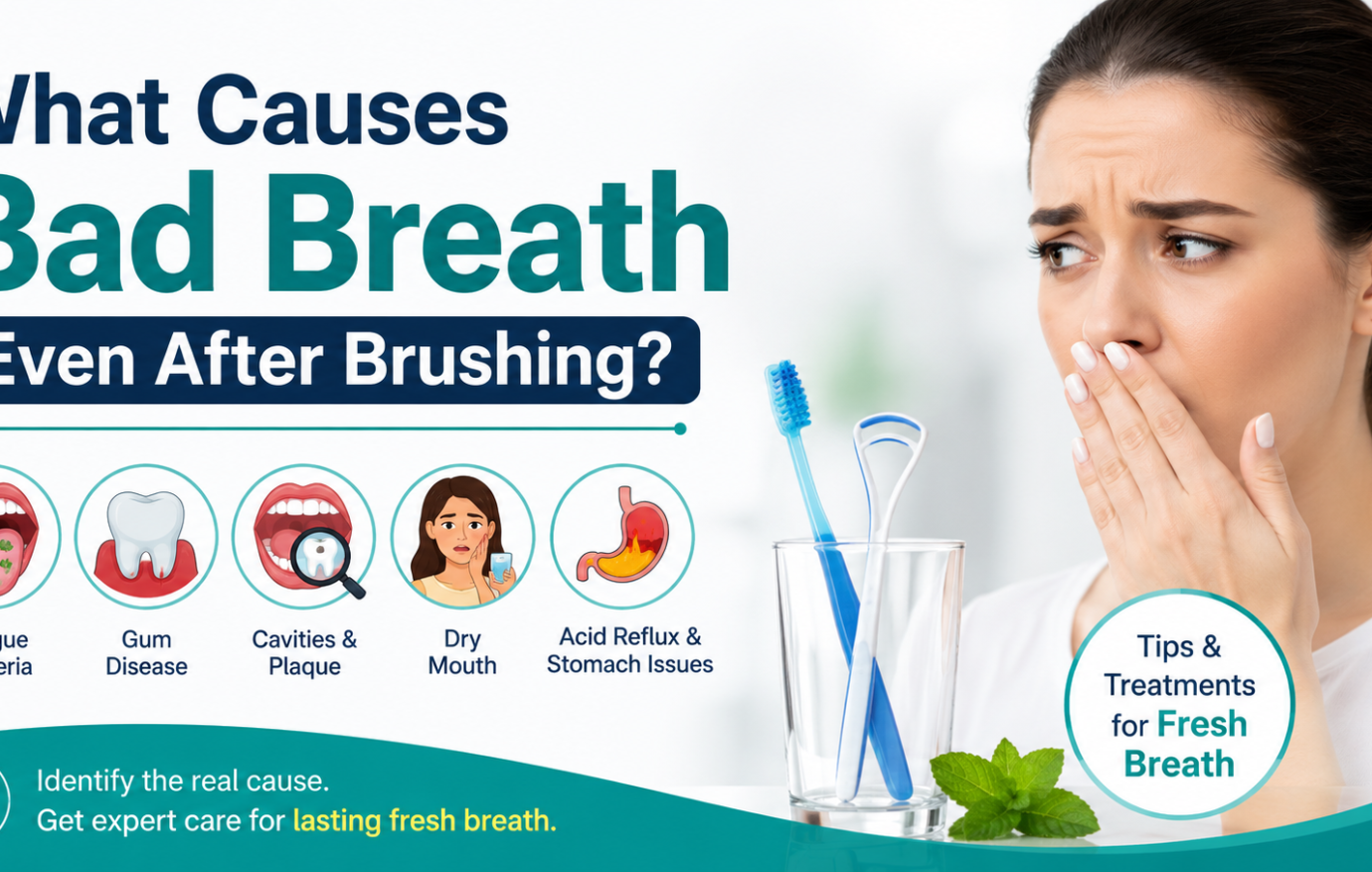
- Persistent bad breath
- Swollen or red gums
- Gum recession (teeth appear longer)
- Mild tooth mobility
If ignored, bacteria can damage the bone supporting your teeth, leading to serious dental issues.
Benefits of Deep Cleaning Teeth
✔ Stops Gum Disease Progression
Deep cleaning removes bacteria and hardened tartar from below the gums. This stops infection from spreading deeper into the gums and bone. It helps control early gum disease and prevents it from becoming severe. With timely treatment, your gums become healthier and reduce future dental complications effectively.
✔ Reduces Bleeding and Inflammation
When plaque builds up, gums become swollen and start bleeding easily. Deep cleaning removes this buildup and allows gums to heal naturally. After treatment, inflammation reduces and gums feel stronger. Regular care after cleaning helps maintain healthy gums and prevents bleeding while brushing or eating daily.
✔ Eliminates Bad Breath
Bad breath often comes from bacteria stuck below the gum line. Deep cleaning removes these hidden bacteria and food particles. This improves mouth freshness and reduces odor significantly. After treatment, your breath feels cleaner and more confident, especially during talking or social interactions with others.
✔ Prevents Tooth Loss
Gum disease weakens the bone that holds your teeth. Deep cleaning helps stop this damage by removing infection-causing bacteria. Healthy gums support teeth firmly and reduce the risk of loosening. Early treatment can save natural teeth and avoid the need for future extractions or replacements.
✔ Improves Overall Oral Hygiene
After deep cleaning, your mouth becomes much cleaner and easier to maintain. Brushing and flossing work better because there is less plaque buildup. It helps maintain long-term oral health and prevents future gum problems. Regular dental care ensures your smile stays healthy and fresh for longer.
Deep Cleaning Procedure – Step by Step
Step 1: Dental Examination
Dentists check gums, teeth, and pocket depth using a small tool. This helps identify infection level and decide the proper deep cleaning treatment plan for better oral health.
Step 2: Scaling
Ultrasonic instruments remove hard plaque and tartar from tooth surfaces and below gums. This step cleans bacteria buildup that cannot be removed by normal brushing or flossing at home.
Step 3: Root Planing
Tooth roots are smoothed carefully to remove bacteria and help gums heal. This prevents future plaque sticking and allows gums to reattach firmly, improving long-term gum stability and health.
Step 4: Polishing
Teeth are polished to remove stains and make the surface smooth. This helps prevent future plaque buildup and gives a clean, fresh, and shiny appearance to your smile.
Aftercare Tips
To maintain results after deep cleaning:
- Brush gently twice daily
- Use a soft-bristle toothbrush
- Avoid smoking and tobacco
- Use medicated mouthwash if prescribed
- Visit dentist regularly for checkups
Protect Your Smile with Timely Dental Care
Common Questions People Ask About Dental Deep Cleaning
1. Can deep cleaning cure gum disease?
Deep cleaning helps control and reverse early gum disease by removing bacteria and tartar from below the gums. It allows gums to heal and reattach to teeth. However, advanced gum disease may require additional periodontal treatment along with ongoing dental care for complete and long-term recovery
2. Why do I need deep cleaning of teeth?
You need deep cleaning if you have bleeding gums, bad breath, swelling, or gum recession. These signs indicate plaque buildup and early gum disease. Deep cleaning removes harmful bacteria, prevents infection from spreading, and protects your gums and
3. Is deep cleaning of teeth painful?
Deep cleaning is usually not painful. Dentists may use local anesthesia if gums are sensitive or inflamed. You may feel slight pressure or vibration during the procedure. After treatment, mild sensitivity can occur for a short time, but it usually settles within one to two days.
4. How long does deep cleaning take?
Deep cleaning usually takes 30 to 60 minutes per session. Depending on the severity of gum disease, full-mouth treatment may require one or two visits. The dentist cleans each section carefully to ensure all plaque and tartar are removed for complete gum healing and improved oral health.
7. How often should deep cleaning be done?
Deep cleaning is typically done once when gum disease is present. After treatment, regular dental checkups every six months are recommended. Good oral hygiene at home helps maintain results. Your dentist may suggest repeat cleaning if plaque buildup or gum problems return over time.
function elitesmile_deep_cleaning_schema() {
if ( is_singular() && get_the_ID() == YOUR_POST_ID ) {
echo ‘
‘;
}
}
add_action( ‘wp_head’, ‘elitesmile_deep_cleaning_schema’ );